Finland actively involved in NATO’s defense and deterrence efforts focused on the Eastern Flank.
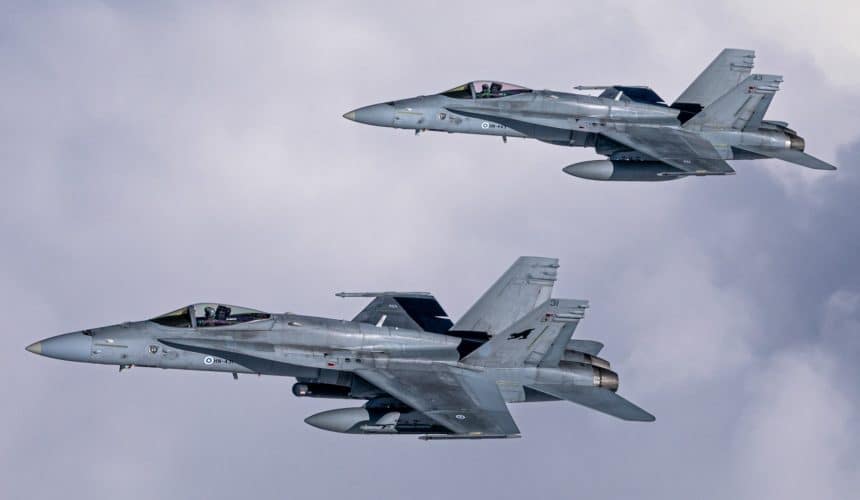
The Finnish Air Force deployed seven of its F/A-18C Hornet aircraft to the Mihail Kogalniceanu Air Base near Constanta in Romania on June 3, 2024 as a part of NATO’s Air Shielding mission. This is the first deployment of the Finnish F/A-18s within the framework of NATO enhanced air policing mission.
During the deployment, the Finnish Air Force will carry out operational as well as training sorties in the Black Sea region.
For Finland, the objective is to enhance the integration of its assets into the NATO Air Power.
As Lieutenant Colonel Rami Lindström, the first commander of the Finnish detachment at Mihail Kogalniceanu said, in a NATO Aircom release: “Our objective here in Romania is to enhance our integration into NATO Air Power by honing and deepening our cooperation with the Royal Air Force and the Romanian Air Force. For two months the Finnish jets are joining a Royal Air Force Typhoon detachment and will be doing quick-reaction alert duty and flying alongside them and Romanian F-16s collectively securing NATO airspace and assuring the Romanian population. Our objective here in Romania is to enhance our integration into NATO Air Power by honing and deepening our cooperation with the Royal Air Force and the Romanian Air Force”.
The Finnish Hornets deployed to Romania with less than 100 airmen. The detachment’s first goal is to achieve full operational readiness status.
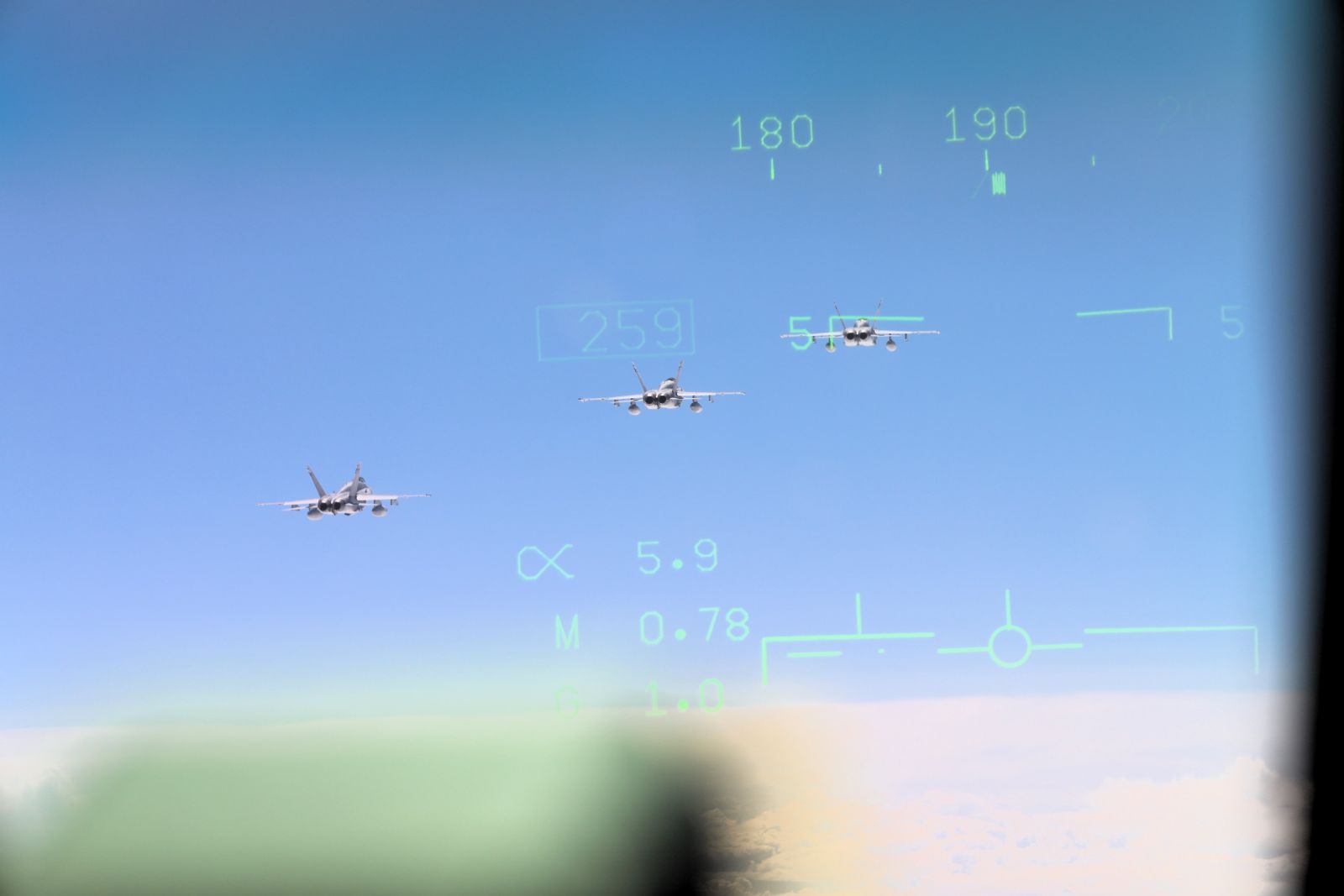
With Finland becoming a NATO member state, rapid integration within the NATO Air Command structure is an urgent operational need, given the security context on the “Eastern Flank”, as the NATO terminology refers to the Alliance’s eastern limits.
From the North to the South
7 🇫🇮 Air Force F/A-18 Hornet fighter jets landed at Mihail Kogalniceanu Air Base 🇷🇴
Their first deployment under #NATO’s Air Shielding mission will see them conducting training & QRA duties in the Black Sea region
Read more: https://t.co/HmYrwUv0VI pic.twitter.com/bVKlorO0ob
— NATO Air Command (@NATO_AIRCOM) June 4, 2024

NATO Aircom reports that the Finnish Hornets will join RAF Typhoons and Romanian F-16s at the base outside Constanta. Working with RAF Typhoons, the Finnish F/A-18 jets will also be involved in NATO’s Integrated Air and Missile Defence (IAMD) exercise Ramstein Legacy in June which provides further opportunities for boosting interoperability in Allied Air Command’s major IAMD exercise.
NATO has been working to bolster the airspace safety of nations on its Eastern flank intensely – first through the Baltic Air Policing mission (with NATO assets maintaining a rotational presence in Amari/Estonia, Malbork/Poland, and Siaullai/Lithuania), ensuring airspace policing and QRA capability in the Baltic region and near Kaliningrad, and then by establishing the Air Shielding mission. The Air Shielding mission involves increased presence of fighter jets and ground-based air defence units in NATO’s eastern member states. The tasks within the Air Shielding initiative include QRA and patrol duty under the NATO IAMD command. Obviously, the deployments also provide the alliance with a major training opportunity that makes it possible to bolster the interoperability levels among the NATO air forces.
Notably, with Finland on the eve of procuring the F-35, the aforesaid deployment of its legacy Hornets marks the first under NATO command as well as one of the few ones they will probably perform. The Finnish Air Force (Ilmavoimat) plans to replace its aging F/A-18 fleet and retire the Hornets by 2030. Meanwhile, the first batch of the F-35s is due for delivery by 2026. The F-35s would be deployed to Arctic air bases in Finland’s Lapland region.
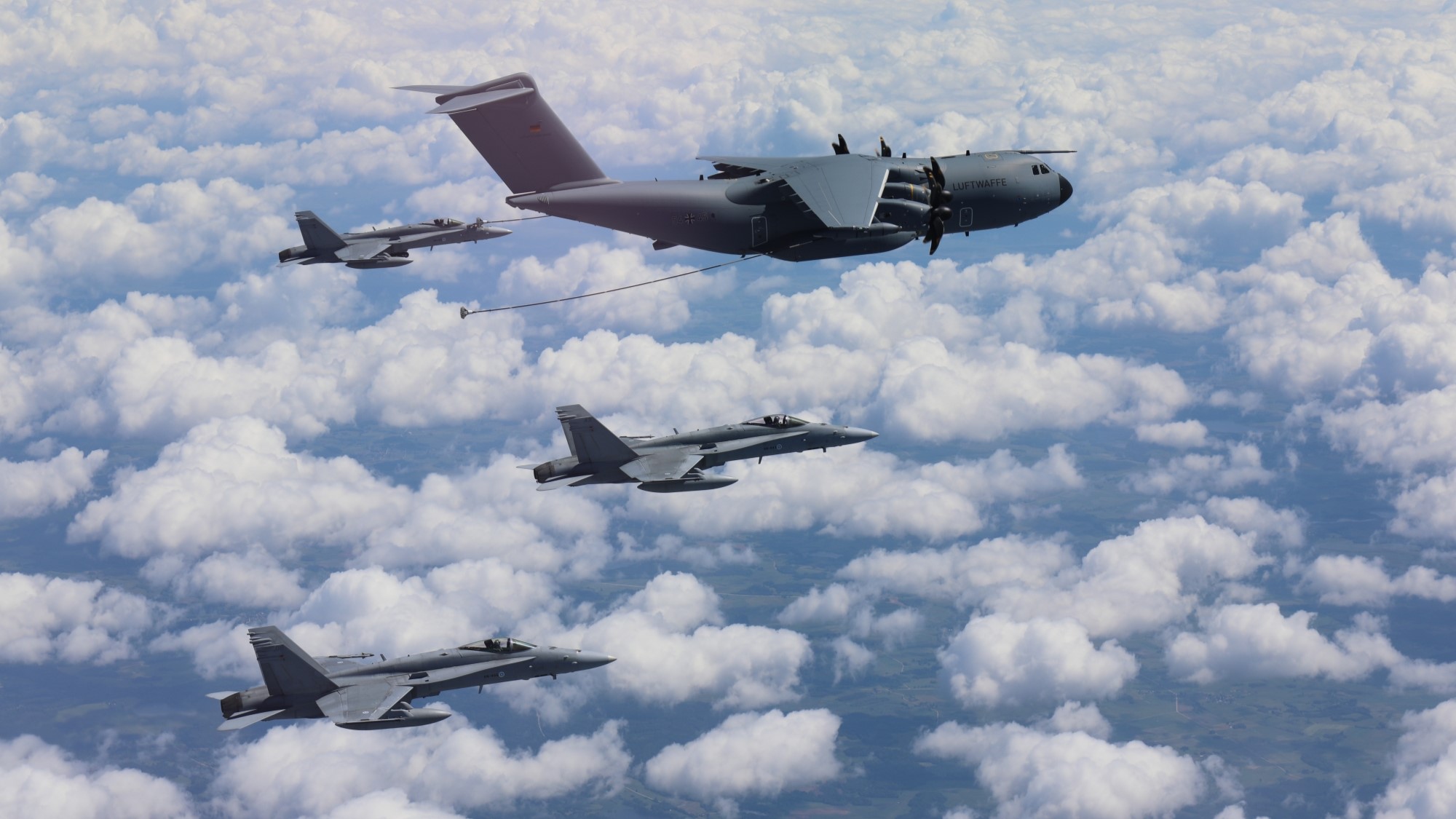
Notably, the Finnish F-35 procurement also includes a major industrial cooperation component that is expected to be gradually scaled up by 2030. The cooperation may involve local assembly of F-35’s systems and components.
The Finnish F-35 procurement, known as the HX program has been an interesting one, since it involved a real-life test program, arranged like competition, focusing on the new jets’ adaptability to operate in an extreme Arctic environment with limited daylight – also involving other designs, like Super Hornet, or Gripen.